
A Fresh Chapter in Middle-Schooling: CBSE Introduces Skill Education for Classes VI–VIII
- Schools, Teachers
- December 5, 2025
- Viva Education
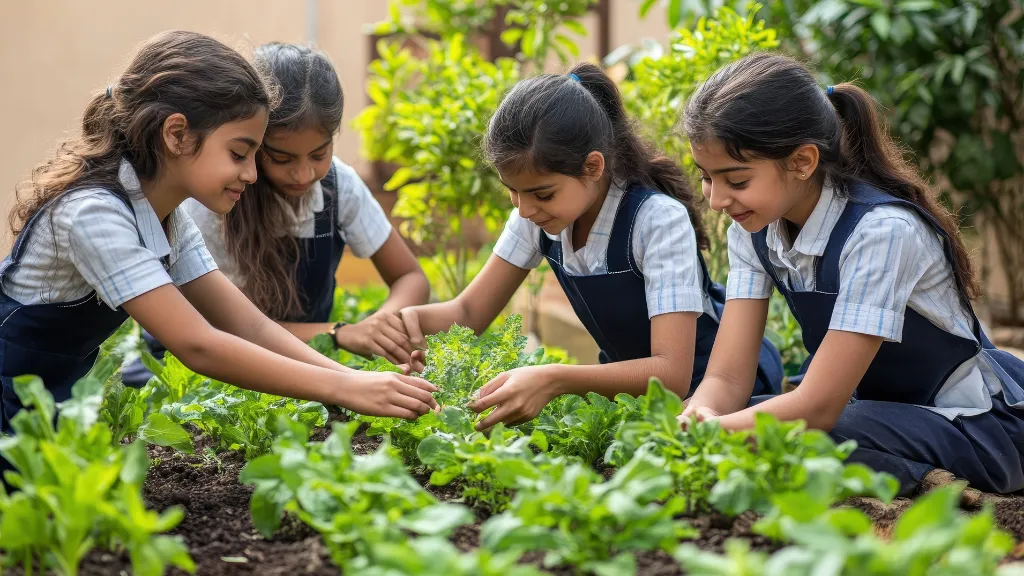
For many years educators in India have discussed the need to move beyond textbook learning. Students deserve opportunities to explore, create, and learn through experience, not just memorise facts. With the academic session 2025–26, CBSE is turning that vision into reality. Skill education will become an integral part of the curriculum for Classes VI, VII and VIII by all affiliated schools. The curriculum will use NCERT’s brand new “Kaushal Bodh” textbooks.
This is more than a change in syllabus. It represents a transformation in how we view education in middle school. Classrooms may now become spaces for hands-on learning, creativity and real life skills — from nurturing plants or caring for living beings, to working with materials or machines, or contributing through community services. The aim is to equip students with practical knowledge, rounded abilities and awareness beyond marks on a test.
For schools and teachers this is an invitation to lead a new kind of learning. It is an opportunity to redesign classrooms and instruction in a way that builds life skills, practical intelligence and critical thinking. In the pages ahead we explore what this update means — for schools, teachers, parents, and most importantly, for students.
Why This Change Matters: What CBSE Intends to Achieve
- Education that goes beyond memorisation. The traditional model often emphasizes textbook study and exams. CBSE’s new approach seeks to replace that narrow focus with experiential learning and practical competence.
- Early exposure to skills, career-related thinking and real-world tasks. By introducing skill education at the middle-school level, students will have the opportunity to explore different domains, crafts, environment, machines, human services and begin discovering their interests and strengths.
- Building a foundation for holistic development in line with modern education goals. The move aligns with broader visions of education reform, aiming for well-rounded learners equipped for life, not just academic success.
What Teachers and Schools Should Do?
With the curriculum change, schools and educators will need to prepare carefully. Here is how implementation is envisaged:
- Adopt the new Kaushal Bodh textbooks for Classes VI, VII and VIII. These textbooks are structured around skill modules, offering guidance for practical, hands-on learning.
- Restructure timetables to include dedicated periods for skill-education classes. According to CBSE guidelines mentioned in the orientation, schools should plan their weekly schedules keeping in mind regular skill-education slots.
- Use practical, activity-based learning and project work. Instead of relying solely on written tests, the emphasis will be on doing, exploring and creating, which helps students learn by experience and understand the application of knowledge.
- Provide training and support for teachers. The transition to skill-based education requires teachers to adopt new pedagogies. CBSE’s orientation session is part of this effort to ensure teachers are well prepared to conduct these classes effectively.
What Students, Schools and Teachers Gain?
Implementing skill-education at this stage offers several important advantages:
- Students gain real-life skills and practical understanding, not just theoretical knowledge. These can include life skills, vocational awareness or even early interest in careers.
- Learning becomes engaging, interactive and diverse. Skill-education can make classes more enjoyable and meaningful, encouraging curiosity, creativity and critical thinking.
- Teachers and schools can nurture holistic development rather than focus solely on exam performance. This aligns education with real-world demands and helps produce well-rounded individuals.
- Early exposure helps students discover their strengths and interests long before choosing streams or career paths. This can guide better decisions about future education or vocational pursuits.
What Schools Must Plan for?
While the reform promises a lot, there are important challenges that must be addressed for successful implementation:
- Infrastructure and resource needs, Providing space, materials, tools or labs for skill-based activities can be a hurdle, especially for smaller or resource-constrained schools.
- Teacher readiness and training. Many teachers may have experience with traditional lecture-based teaching. Transitioning to project-based, hands-on methods will require training and mindset change.
- Timetable and workload management. Schools must carefully restructure schedules so that skill-education does not interfere with core academic subjects and students do not get overloaded.
- Ensuring quality and consistency across all schools. Urban and well-funded schools may adapt easily. But rural or under-resourced schools may struggle , leading to unequal opportunities if not carefully managed.
What Parents Can Do: Supporting the Change at Home
Parents play a vital role in making skill-education effective. Here is how parents can support their children and collaborate with schools:
- Understand what skill-education is. Ask the school about the modules, timetable, textbooks (Kaushal Bodh) and assessment plans. This helps stay informed and aligned with school efforts.
- Encourage practical and creative learning at home. Allow children to do hands-on tasks — gardening, basic crafts, helping with chores, small DIY projects — to nurture interest in practical skills and creativity.
- Support balance between academics and skills. Ensure children manage time between regular academic studies and these new skill-based classes. Help them remain organized so that neither suffers.
- Reinforce the value of skills for life. Help children see skill education as a chance to build life-long abilities — not just as another subject for marks. Encourage curiosity, exploration, and personal growth.
Which skill do you feel children need most today?
Practical Steps to Begin Implementation
For school administrators and educators, here is a practical checklist for launching skill-education smoothly:
- Review current school infrastructure and identify spaces or rooms that can be converted into skill-education labs or craft rooms.
- Allocate appropriate time slots in the weekly timetable for skill-education, ensuring regular and consistent sessions.
- Attend orientation sessions offered by CBSE to get familiar with the new curriculum and teaching methods.
- Acquire necessary materials, tools, or supplies depending on the modules planned, from gardening materials to craft supplies to basic mechanical tools.
- Develop clear guidelines for assessment, how to evaluate projects, practical work, participation, and skill development.
- Communicate with parents to explain the new initiative, its objectives, and how they can support at home. Building a partnership with parents helps ensure student engagement and better results.
- Monitor and review progress regularly, get feedback from students, teachers, and parents to improve continuously.
Why This Reform Matters: The Bigger Picture for Education in India
This update from CBSE marks a turning point in how middle-school education is envisioned. By embedding skill-education early, we are shifting from education that only prepares students for exams to a broader, more life-oriented model. If implemented with commitment, resources and collaboration, this reform has the potential to nurture a generation of learners who are not only academically competent but also skilled, creative, confident and ready for real-world challenges.
For schools, teachers, parents and students, this can be the start of a new era in education. Let’s embrace the change together and work toward building classrooms that teach for life.
Frequently Asked Questions:
1. What is Skill Education in CBSE schools?
Skill Education introduces hands on learning, real world tasks and practical skill development. It includes working with materials, caring for plants or animals, and community service activities. It supports life skills and early career awareness.
2. From when is Skill Education mandatory?
Skill Education will be compulsory in Classes 6 to 8 beginning from the academic year 2025 to 26 in all CBSE affiliated schools.
3. What textbooks will be used for this subject?
Schools will use the new NCERT Kaushal Bodh textbooks created specifically for Skill Education in middle school.
4. How will students be assessed?
Assessment will focus on projects, participation, practical work, and skill development. It uses portfolios and teacher observations instead of only written exams.
5. Will there be any extra burden on students?
The aim is not to add stress. Instead, it offers a refreshing break from textbook learning and encourages creativity, teamwork, and problem solving.
6. How can parents support Skill Education at home?
Parents can encourage children to participate in simple, hands on tasks at home like gardening, craft activities and DIY projects. Staying informed and communicating with the school also builds support for students.
7. What should schools do to implement Skill Education effectively?
Schools should set up dedicated skill spaces, train teachers, arrange activity materials, and plan their timetable to include regular practical periods. Collaboration with parents and community experts can further strengthen learning.
Share on:

Of course basic lessons are important for regular students. Unless a student is talented who must develop his skills,. Some special technical skills can be taught by the bosses.